




Hard water is a common issue in many homes throughout Charlottesville and Albemarle County. If you have noticed white spots on dishes, buildup around your sink fixtures, or soap that does not lather well, hard water may be part of the problem.
At Fitch Services, we help homeowners understand how water quality can affect their plumbing, water heater, and other important systems throughout the home. Hard water may seem like a minor annoyance at first, but over time, it can lead to buildup inside pipes, fixtures, and appliances.
In this article, we will explain what hard water is, how it affects your home, and how a water softener can help reduce these issues.
What Is Hard Water?
Hard water contains higher-than-normal levels of dissolved minerals, primarily calcium and magnesium. These minerals occur naturally when groundwater passes through rock and soil before entering municipal water systems or private wells.
While hard water is generally safe to drink, it can create problems for your plumbing system and many of the appliances in your home. Over time, mineral deposits begin to build up inside pipes, fixtures, and appliances. This buildup is known as scale.
Scale can affect everything from your bathroom sink to your water heater, often in ways that homeowners may not notice until the problem becomes more serious.
Signs Your Home May Have Hard Water
Many homeowners in Charlottesville and Albemarle County experience hard water without realizing it. Some of the most common signs include:
- White spots or film on dishes and glassware
- Mineral buildup around faucets or inside a sink
- Soap that does not lather easily
- Dry skin or dull-looking hair after showering
- Reduced water pressure in plumbing fixtures
- Appliances that seem less efficient over time
These symptoms may seem minor at first, but they often point to mineral buildup that is gradually affecting your home’s plumbing system.
How Hard Water Affects Your Plumbing System
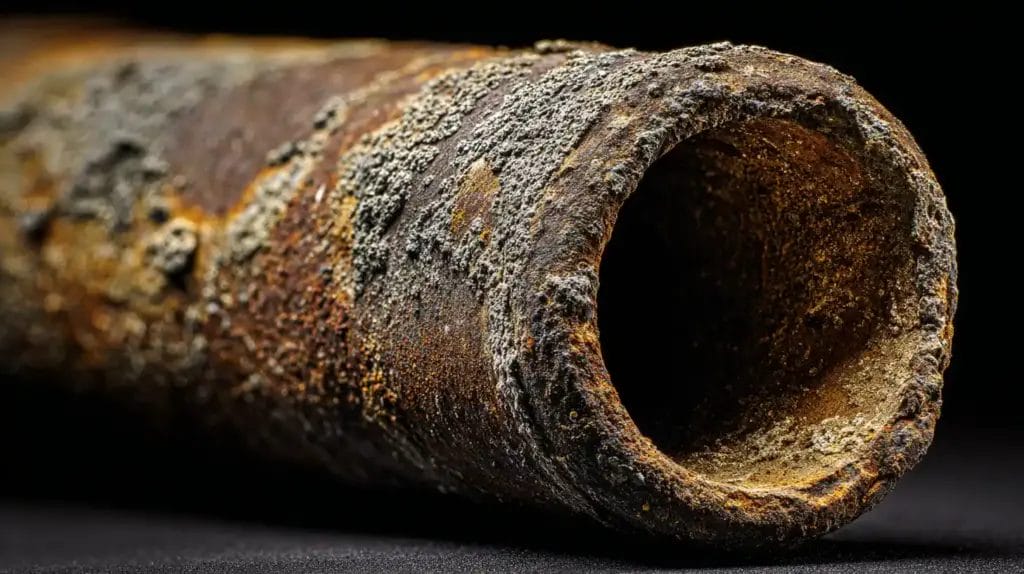
Hard water can have a significant impact on your home’s plumbing over time. When mineral-rich water flows through pipes, small amounts of calcium and magnesium can settle along the interior walls of the plumbing.
As this buildup continues, the inside diameter of the pipes slowly narrows. This can restrict water flow and contribute to lower water pressure at faucets, showers, and sinks.
In addition, scale buildup can accumulate in plumbing fixtures, valves, and aerators. This can lead to clogged faucet screens, reduced efficiency, and the need for more frequent maintenance.
In homes throughout Charlottesville and Albemarle County, addressing hard water early can help protect plumbing systems from these long-term issues.
Hard Water and Your Water Heater
Your water heater is one of the appliances most affected by hard water. When water is heated, minerals such as calcium separate more easily and settle at the bottom of the tank or along heating elements.
Over time, this mineral layer creates several problems:
- Reduced heating efficiency
- Longer heating cycles
- Increased energy use
- Added strain on the system
In severe cases, mineral buildup can even create popping or rumbling sounds inside the water heater tank as water becomes trapped beneath layers of scale.
Regular maintenance can help manage some buildup, but installing a water softener is often one of the most effective ways to reduce mineral accumulation in the first place.
Effects on Fixtures and Appliances
Hard water does not only affect pipes and water heaters. Many other appliances and fixtures throughout your home can be impacted as well.
For example, mineral deposits often appear around faucets and inside sinks, leaving behind a chalky residue that can be difficult to remove. Over time, this buildup can also affect faucet operation and reduce water flow.
Household appliances that use water, such as dishwashers and washing machines, may also experience reduced efficiency when exposed to hard water. Mineral deposits can build up inside internal components, affecting performance and cleaning results.
Many homeowners in Charlottesville notice that dishes come out of the dishwasher with spots or cloudy film. This is another common sign of mineral-heavy water.

What a Water Softener Does
A water softener is designed to remove the calcium and magnesium minerals that cause hard water. Most systems work through a process called ion exchange.
Inside the water softener tank are small resin beads that carry sodium or potassium ions. As hard water passes through the system, the resin beads attract the calcium and magnesium minerals and replace them with sodium or potassium.
This process transforms hard water into soft water, which flows through your plumbing system with far fewer mineral deposits.
Benefits of Installing a Water Softener
Installing a water softener can provide several benefits for homeowners in Charlottesville and Albemarle County.
Reduced Scale Buildup
Softened water contains fewer minerals, which helps prevent scale from forming inside pipes, faucets, and appliances.
Improved Appliance Performance
Water heaters, dishwashers, and washing machines often operate more efficiently when mineral buildup is reduced.
Easier Cleaning
Soft water helps soap and detergents work more effectively. This can reduce residue on sinks, fixtures, and glassware.
Extended Plumbing System Life
By reducing scale buildup, a water softener can help protect the long-term health of your home’s plumbing system.
Better Water Flow
Soft water helps prevent mineral blockages that can restrict water flow in pipes and fixtures.
For many homeowners in Charlottesville and Albemarle County, a water softener becomes an important part of maintaining the overall health of their plumbing system.
Why Professional Evaluation Matters
Every home has different water conditions depending on factors such as water source, plumbing layout, and mineral levels.
A professional plumbing evaluation can help determine whether hard water is present and what type of water softening system may be appropriate for your home.
At Fitch Services, our team regularly works with homeowners in Charlottesville and Albemarle County to evaluate water quality concerns and help identify solutions that support the long-term health of their plumbing systems and appliances.
Understanding how hard water interacts with your plumbing system is an important step toward protecting your home’s infrastructure and maintaining reliable water performance.
Frequently Asked Questions About Hard Water and Water Softeners
What causes hard water in Charlottesville and Albemarle County?
Hard water is typically caused by groundwater absorbing minerals like calcium and magnesium as it passes through natural rock formations. These minerals remain in the water supply and enter homes through municipal systems or wells.
Is hard water harmful to drink?
Hard water is generally considered safe to drink. However, the minerals it contains can lead to buildup in plumbing systems and appliances over time.
Can hard water damage my water heater?
Hard water can contribute to mineral buildup inside a water heater tank or on heating elements. This buildup can reduce efficiency and increase wear on the system.
How do I know if I need a water softener?
Common signs include mineral deposits around faucets or a sink, soap that does not lather easily, cloudy dishes, and reduced water pressure. A professional plumbing evaluation can help confirm whether hard water is present.
Does a water softener help protect plumbing systems?
Yes. By removing minerals that cause scale, a water softener can help reduce buildup in pipes, fixtures, and appliances throughout the home.
Understanding how hard water affects your plumbing system is an important part of protecting your home’s infrastructure. With the right information and proper evaluation, homeowners in Charlottesville and Albemarle County can better manage water quality and maintain the performance of their plumbing systems and appliances for years to come.