



When the lights flicker, breakers trip, or outlets feel warm to the touch, your home may be warning you about a circuit overload. Circuit overloads are one of the most common electrical issues homeowners face, and they can lead to serious safety risks if ignored. Fitch Services believes that informed homeowners are safer homeowners.
In this article, we’ll break down what circuit overloads are, what causes them, and how you can prevent them. We’ll also explain how related systems—like your HVAC equipment and electrical panel—play a role in keeping your home running safely and smoothly.
Understanding What a Circuit Overload Is
An electrical circuit is designed to carry a certain amount of electricity. When too many devices or appliances pull power from the same circuit at the same time, the circuit can become overloaded. This causes excessive heat in the wiring, which is why modern electrical systems are designed to trip a breaker or blow a fuse before damage occurs.
While a tripped breaker is a safety feature, frequent trips are a sign that something isn’t right. Over time, repeated overloads can wear down breakers, damage wiring, and increase the risk of electrical fires.
Common Causes of Circuit Overloads
Too Many Devices on One Circuit
One of the most common causes of overloads is plugging too many items into the same outlet or power strip. Kitchens, home offices, and entertainment areas are especially prone to this problem. Coffee makers, microwaves, computers, space heaters, and gaming systems all draw significant power.
When these devices run at the same time, the circuit may not be able to handle the load.
High-Demand Appliances
Large appliances such as refrigerators, washing machines, dryers, and ovens require dedicated circuits. If these appliances share a circuit with other devices, overloads are more likely.
This is especially important in older homes around Charlottesville and Albemarle County, where electrical systems may not have been designed for today’s power demands.
Outdated or Undersized Electrical Panels
Your electrical panel is the control center for your home’s electrical system. Older panels may not provide enough capacity for modern lifestyles, especially if the home has been updated with new appliances or expanded living space.
An undersized or aging electrical panel can struggle to distribute power safely, making circuit overloads more common.
Aging or Damaged Wiring
Over time, electrical wiring can degrade due to age, moisture, pests, or previous improper work. Damaged wiring increases resistance, which causes heat to build up more quickly under load.
In some cases, rewiring may be necessary to bring a home up to current safety standards and reduce the risk of overloads.
HVAC Systems and Electrical Load
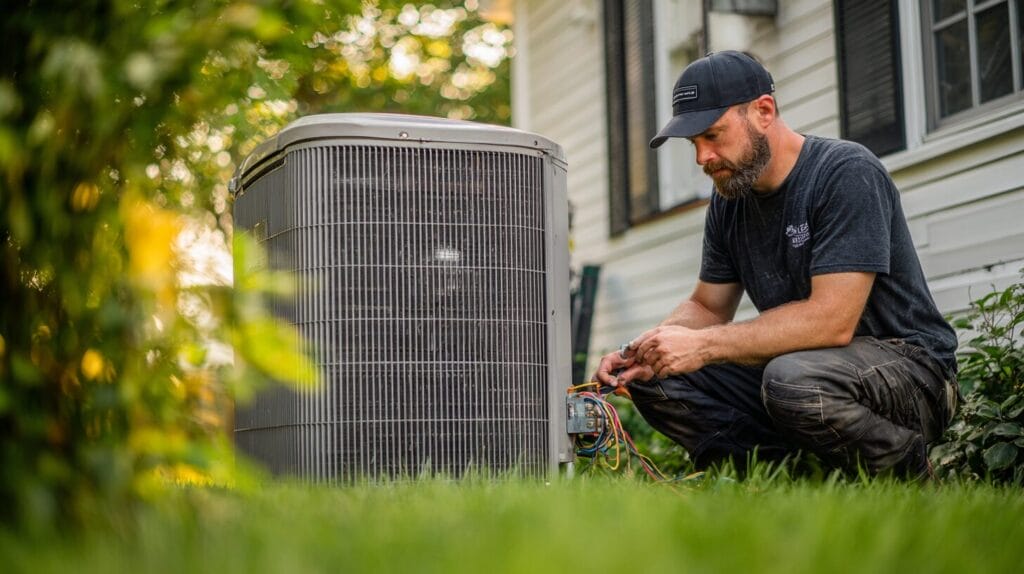
Your HVAC system is one of the largest electrical loads in your home. When heating or cooling equipment cycles on, it draws a significant amount of power. If the system shares circuits with other high-demand devices, overloads can occur—especially during extreme weather when HVAC systems run more often.
Power Surges and Poor Protection
Sudden spikes in voltage, known as power surges, can stress circuits and breakers. While a single surge may not cause an immediate overload, repeated surges can weaken components over time.
Whole-home surge protection can help shield your electrical system from these sudden spikes and reduce long-term strain.
Improper Installations or DIY Electrical Work
Incorrect wiring, overloaded outlets, or poorly installed breakers can all contribute to circuit overloads. Electrical work requires precise knowledge of load calculations and safety codes. Even small mistakes can create big problems later.
Professional circuit installation & repair ensures that each circuit is designed to handle the load placed on it.
Warning Signs of a Circuit Overload
Knowing the early warning signs can help you address problems before they become serious:
- Frequently tripping circuit breakers
- Flickering or dimming lights
- Buzzing sounds from outlets or switches
- Warm or discolored outlet covers
- A burning smell near outlets or the electrical panel
If you notice any of these signs, it’s important to have the system evaluated by a Charlottesville electrician who understands local building codes and electrical demands.
How to Prevent Circuit Overloads
Spread Out Electrical Usage
Avoid plugging multiple high-wattage devices into the same circuit. Use outlets in different rooms when possible, and avoid relying heavily on extension cords or power strips.
Upgrade Your Electrical Panel When Needed
If your home’s electrical panel is outdated or frequently overloaded, an upgrade can provide additional capacity and improved safety. Modern panels are designed to handle today’s electrical needs more efficiently.
Install Dedicated Circuits
Appliances like HVAC systems, ovens, and laundry equipment often require dedicated circuits. Proper circuit installation & repair ensures that each major appliance has the power it needs without overloading other circuits.
Consider Rewiring Older Homes
Many older homes were built when electrical demand was much lower. Rewiring can replace aging materials, improve safety, and support modern appliances and technology.
Use Surge Protection
Surge protection helps guard your home against voltage spikes that can damage electronics and stress circuits. Whole-home systems provide protection at the electrical panel, offering broader coverage than plug-in devices alone.
Address Grounding and Bonding Issues
Proper grounding and gas line bonding are essential for electrical safety. These systems help safely direct excess electricity away from your home and reduce the risk of shock or fire during faults or surges.
Schedule Professional Electrical Inspections
Regular inspections can identify potential overload risks, outdated components, or wiring issues before they cause problems. Inspections are especially important after renovations, appliance upgrades, or changes to your HVAC system.
Why Circuit Overloads Are More Than an Inconvenience
While a tripped breaker may seem like a minor annoyance, circuit overloads can signal deeper electrical issues. Left unaddressed, they can lead to damaged appliances, costly repairs, and serious safety hazards.
A properly designed electrical system works quietly in the background, supporting your home’s comfort, lighting, and technology without interruption.
Frequently Asked Questions About Circuit Overloads
Why does my breaker trip when I use certain appliances?
Some appliances draw a lot of power. If they share a circuit with other devices, the total load may exceed the circuit’s capacity, causing the breaker to trip.
Are circuit overloads dangerous?
Yes. Overloads create excess heat in wiring, which can increase the risk of electrical fires if not addressed.
Can an old electrical panel cause overloads?
Yes. Older panels may not be designed for modern electrical demand and can struggle to distribute power safely.
Does my HVAC system affect electrical load?
Absolutely. HVAC systems draw significant power, especially during peak heating or cooling seasons, and can contribute to overloads if not properly supported.
Is rewiring always necessary to fix overloads?
Not always. Sometimes adding dedicated circuits or upgrading the electrical panel is enough. A professional evaluation helps determine the right solution.
Final Thoughts
Circuit overloads are a common issue, but they are also preventable. Understanding how your home uses electricity—and how systems like your electrical panel, HVAC equipment, and surge protection work together—can make a big difference in safety and reliability.
For homeowners in Charlottesville and Albemarle County, staying proactive about electrical health helps protect both property and peace of mind.