

For many homeowners, the air filter inside their HVAC system is easy to forget. It’s out of sight, tucked away behind a return vent or inside your furnace or air handler. But that small component plays a major role in how your entire heating and cooling system performs.
What may seem like a minor oversight can lead to higher energy bills, poor indoor air quality, and even costly system damage over time. And during the spring season, those issues tend to accelerate.
Let’s take a closer look at what really happens when you don’t change your air filter—and why spring makes it even more important.
Why Your Air Filter Matters More Than You Think
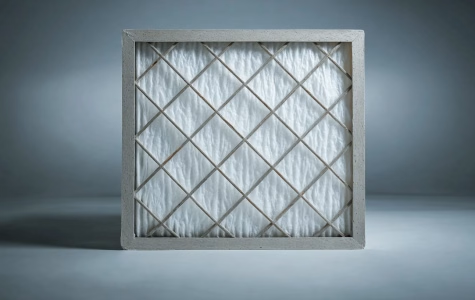
Your HVAC air filter has one primary job: to trap dust, dirt, pollen, and other airborne particles before they enter your system and circulate throughout your home.
When the filter is clean, airflow remains steady, and your system can operate efficiently. But when it becomes clogged, it creates resistance. That restriction forces your system to work harder to push air through, which can lead to several problems.
In areas like Charlottesville, where seasonal changes bring everything from winter dust buildup to spring pollen surges, your air filter plays a key role in maintaining comfort and air quality year-round.
What Happens If You Don’t Change Your Air Filter?
1. Reduced Airflow Throughout Your Home
A dirty air filter acts like a blockage in your system. Air can’t move as freely, which means your home may feel unevenly heated or cooled.
You might notice:
- Certain rooms feeling warmer or cooler than others
- Weak airflow coming from vents
- Longer run times for your HVAC system
Over time, restricted airflow can strain key components and reduce overall performance.
2. Higher Energy Bills
When your system has to work harder to move air, it uses more energy. That added strain often shows up in your monthly utility bills.
Even a partially clogged filter can reduce efficiency. Over weeks or months, that inefficiency compounds, leading to unnecessary energy use.
3. Increased Wear and Tear on Your HVAC System
Your HVAC system is designed to operate within certain airflow parameters. When those conditions aren’t met, internal components can become stressed.
Common issues include:
- Overheating of the blower motor
- Frozen evaporator coils in cooling mode
- Short cycling or extended run times
Over time, this added strain can contribute to breakdowns and shorten the lifespan of your system.
4. Poor Indoor Air Quality
One of the most noticeable effects of a dirty air filter is the impact on the air you breathe.
Instead of trapping dust, pollen, and debris, a clogged filter may allow those particles to circulate through your home. This can lead to:
- Increased dust buildup on surfaces
- Allergy or respiratory irritation
- Stale or musty indoor air
For households in Albemarle County, where spring pollen levels can be especially high, this becomes even more important.
5. Potential Damage to Other Home Systems
While your air filter is part of your HVAC system, its effects can extend beyond heating and cooling.
For example:
- Excess dust can settle into vents and ductwork
- Airborne particles can affect sensitive electronics
- Poor airflow can indirectly impact humidity levels inside your home
Taking a whole-home perspective can help identify how these systems interact more than many homeowners realize.
Why Spring Makes Air Filter Problems Worse
Spring brings warmer temperatures, but it also introduces a surge of airborne particles into your home.
Pollen Levels Increase
Trees, grasses, and flowers release pollen into the air, and much of it finds its way indoors. Your HVAC system pulls in that air, and your filter becomes the first line of defense.
If your filter is already dirty, it can quickly become overwhelmed.
HVAC Systems Run More Frequently
As temperatures fluctuate in spring, your system may switch between heating and cooling modes. This increased usage means more air passing through your filter—and faster buildup of debris.
Humidity Changes Can Affect Airflow
Spring often brings higher humidity levels. Moisture in the air can cause dust and debris to stick more easily to your filter, making clogs worse.
Allergy Season Peaks
For many residents in Charlottesville and surrounding areas, spring is peak allergy season. A clean air filter helps reduce the number of airborne allergens inside your home.
A dirty filter, on the other hand, can make symptoms worse by allowing irritants to circulate freely.
How Often Should You Change Your Air Filter?
There’s no one-size-fits-all answer, but general guidelines include:
- Every 1–3 months for most homes
- More frequently during spring and fall
- More often if you have pets or allergies
If you’re unsure, checking your filter monthly is a simple way to stay ahead of potential issues.
Simple Tips to Stay on Top of Air Filter Changes
For many homeowners, remembering to change the air filter is the hardest part. A few simple habits can make it much easier:
- Set a phone reminder every 30–60 days so it becomes routine
- Keep extra filters on hand so you’re never caught without one
- Add filters to your Amazon cart or subscribe for delivery to automate the process
- Write down your filter sizes (or take a photo) to avoid guessing later
- Check your filter at the start of each season, especially before spring and summer
These small steps can help prevent bigger issues down the road and keep your system running more efficiently.
Signs It’s Time to Replace Your Air Filter
Even if you’re not tracking a schedule, your system may give you clues that it’s time for a change:
- Visible dust or discoloration on the filter
- Reduced airflow from vents
- Increased dust around your home
- Unusual odors when the system runs
- Higher-than-normal energy bills
If you notice any of these signs, it may be time to inspect your filter.
The Bigger Picture: Preventive Maintenance Matters
Changing your air filter is one of the simplest ways to protect your HVAC system—but it’s just one piece of a larger maintenance strategy.
Regular HVAC maintenance across your home’s systems can help prevent small issues from becoming larger problems.
A clean air filter supports:
- Better system performance
- Improved indoor air quality
- More consistent comfort
- Reduced strain on equipment
Frequently Asked Questions
1. What happens if I never change my air filter?
Over time, a clogged filter can restrict airflow, reduce efficiency, and increase wear on your HVAC system. This may lead to poor performance and potential system damage.
2. Can a dirty air filter really affect my energy bills?
Yes. When airflow is restricted, your system has to work harder to maintain the desired temperature, which increases energy usage and can raise utility costs.
3. Why is spring the worst time for a dirty air filter?
Spring brings higher pollen levels and increased HVAC usage. These factors can quickly clog an already dirty filter, making problems worse.
4. How do I know what type of air filter to use?
Air filters come in different sizes and ratings. Checking your system’s specifications or consulting with a professional can help ensure you choose the right one.
5. Does changing my air filter help with allergies?
A clean air filter can help reduce airborne allergens like dust and pollen, improving indoor air quality and potentially easing allergy symptoms.
Final Thoughts
Your air filter may be small, but it plays a big role in your home’s comfort and efficiency. Ignoring it—especially during the spring months—can lead to a range of issues that affect both your HVAC system and your indoor environment.
By staying proactive and replacing your air filter regularly, you can help your system perform as it should while maintaining cleaner, healthier air inside your home.
If you have questions about your HVAC system or indoor air quality, it can be helpful to have a knowledgeable team take a closer look.
Still have questions?


Real Reviews from Your Charlottesville Neighbors
See All ReviewsJulie D. (Charlottesville, VA)I can’t say enough good things!! We had an emergency, no AC during the 113+ heat wave on a Friday holiday afternoon (worst timing!!!). I called multiple companies and only Fitch called me back.
Larry was fantastic!! He kept me informed as to when he anticipated getting to us, and called when on his way, and showed up when he said he would.
He was, again, fantastic! Explained the issue and promptly fixed it. Our house was literally 98 degrees. Everything is running smoothly!
And, for an emergency call late on a Friday afternoon, the cost was incredibly reasonable.
I highly HIGHLY recommend their services. We now have them on speed dial and will absolutely be using them again for our needs, even for other services they offer we have yet to use.
Again, thank you Larry & Fitch Services from us and our pups - for being there when we needed you most and delivering exceptional customer service. 5 stars for sure!
Barbara M. (Charlottesville, VA)I am proud to say I have been a client of Fitch Services since they began. My family has always received courteous and timely service for plumbing, heating and air conditioning, and electrical issues. They have installed and maintain a whole house generator. That was a fantastic decision. I use their annual maintenance plans for all of my systems. I personally recommend Fitch Services.
John K. (Charlottesville, VA)I knew of Fitch Services and their technicians via my place of employment. The technician's honest and forthright approach to their work was very much appreciated... They were initially contacted to come to our residence to address a clogged kitchen sink drain line. It was suggested to us we replace the drain line instead of snaking it. When the old drain line was cut out and shown to me, it was amazing anything had gotten through that line! Glad we chose to replace it... We also inquired about replacing/updating all the galvanized supply lines in our home. The scope of the work needed and how it would be done was discussed to make sure we understood... We appreciated the honest assessment of how the project might or would go. While the technicians were on our project, they kept us updated with daily conversations towards the end of their working day. The finished project has been great! We were excited to finally have full flow of the hot water! Fitch is now our 'go to' plumber.
Tom P. (Charlottesville, VA)I've used Fitch for a few years now for both electrical and plumbing work. They are professional and do a great job on things both big and small. Twice we have had pretty huge jobs and they have come in under budget. Plus, the service technicians are friendly and work hard and the office staff communicates very well. Definitely recommend!
Charlottesville Family Favorites Winner
Nextdoor Neighborhood Favorite Winner
Best of HomeAdvisor Winner
Elite Service HomeAdvisor Award
Ready to Schedule Service?
Let’s take care of it together.
Submit your request and experience the Fitch difference: a local team who shows up on time, and finishes the job right — often in a single visit.